Organic is...

THERE IS A LOT OF TALK ABOUT ORGANIC, BUT DO WE REALLY KNOW HOW TO DISTINGUISH THE REAL ORGANIC?

The true Bio is governed by Reg. EC 834/07, Reg. EC 889/08 and the more recent EU Reg. 2018/848 which define the fundamental standards to be respected in organic production and guarantee, through control and certification activities, the healthiness of food and the absence of GMOs. It is not enough that it is generically written Bio in the name of the product or somewhere on the label. A true organic product can be recognized by the presence of the logo that represents a stylized leaf composed of 12 white stars on a green background and a box that shows the identification code of the Control Body and the controlled operator.

In the case of Pasta OROBIO, the control body is BioAgriCert (IT code BIO007) and the operator code is Z06E.

Only in the presence of these data will you be sure to put a truly organic product on the table.

Our pasta, in addition to being ORGANIC, has an added value: it is free of MYCOTOXINS.

Why choose organic products

HEALTH AND TASTE

Healthiness, organoleptic qualities, nutritional content, hygienic-sanitary safety: these are the fundamentals of "organic" food that should represent the principles of our diet. Organic products do not use synthetic chemicals and use integrated cultivation methods: for this reason they guarantee high food safety and healthiness compared to conventional products. Not only taste then, but great attention to health, especially of the little ones.

ORGANIC IS ECO-FRIENDLY

It is a different philosophy that is also reflected in cultivation, yields and respect for the environment. Intensive cultivation has a strong impact on air, water and soil pollution, causing damage to biodiversity. Organic farming offers solutions to these problems through a prudent and respectful use of natural resources with cultivation techniques closer to the rhythms of the environment.

GMO-FREE

Organic products are certified and do not contain GMOs, or genetically modified organisms, in any way. In production, natural seeds are used that have not been altered by genetic manipulation techniques, thus being safe for human health and the ecosystem.

100% TRACEABLE SUPPLY CHAIN

An organic product is controlled throughout the production chain, from the field to the point of sale. It is the effect of a control system by independent bodies that certify the application of the rules. So you can be sure of the food that arrives on our tables every day.

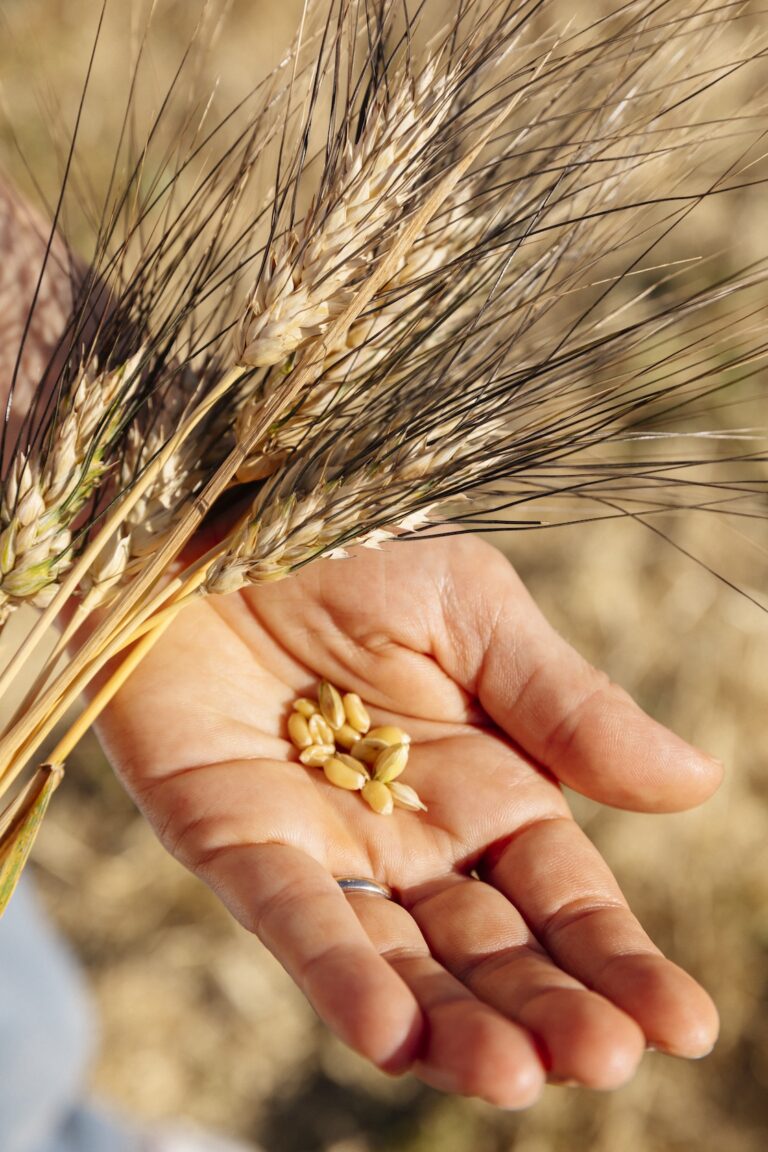
Organic that respects you and the land

Download the Organic Certificate of Pasta Orobio

What does "mycotoxin-free" mean

Answers to the most frequently asked questions, to learn more about Pasta Orobio products

What does "Mycotoxin-Free" mean?

Mycotoxin-free” means that foods produced by grain processing do not have mycotoxins. In the case of Pasta Orobio, it is produced exclusively with organic durum wheat semolina from Puglia and Basilicata. The climatic conditions of these regions naturally prevent the development of mold but to further ensure the absence of mycotoxins, the groats are subjected to laboratory checks before processing.

Mycotoxin is a term that derives from the Greek: “mykes” (mushroom), and from the Latin “toxicum” (toxin, poison). It refers to metabolic products of molds that under certain conditions can develop directly on the ear during the ripening phase or after harvesting, during storage in the warehouse. Mycotoxins are highly toxic to humans and are not eliminated by cooking.

The “Mycotoxin-free” reference threshold value for Pasta Orobio is defined through laboratory analyses conducted to verify its absence. Pasta OROBIO does not have mycotoxins in quantities detectable by specific analyses, therefore it is considered completely “EXEMPT” and safe in every respect

The laboratory that certifies the actual absence of mycotoxins in the semolina with which Pasta Orobio is produced is: TecnoLab SrL accredited by ACCREDIA at no. 0630, located in Altamura (Bari)

The artisan pasta factory that produces Pasta Orobio stands out for the production of healthy pasta, free of contaminants. Its company mission is based on the exclusive use of local grains, considered healthier, and on the conduct of laboratory analyses on the semolina before processing. This strategy makes it possible to exceed the legal limits set by the European Union for the production of dry pasta, which mainly concern deoxynivalenol (DON), using semolina with values that are close to the minimum detection limit. In this way, a product considered “exempt” and of superior quality is thus guaranteed.

An organic food product is obtained following the principles of organic farming that excludes pesticides, herbicides, artificial fertilizers and GMOs.
An organic product “without mycotoxins”, on the other hand, has an added value: the absence of toxins produced by fungi that can develop in the field, on the ear in humid conditions, or during the storage of the wheat, after harvesting. For this reason, organic Orobio pasta without mycotoxins is even safer and healthier than any organic pasta on the market.

The 4 reasons to choose Pasta Orobio

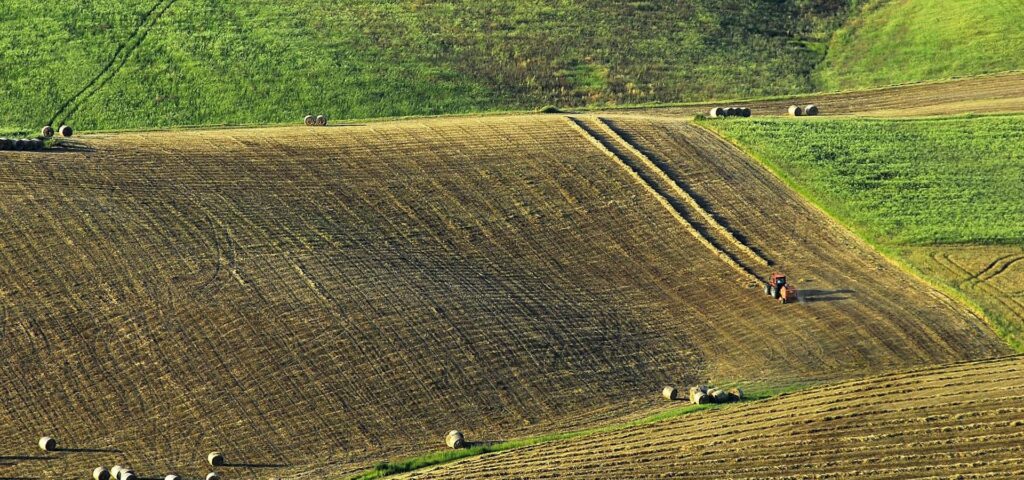
The best grains of Puglia and Basilicata

Apulian wheat, confidence at the table.
Only native varieties to obtain a mix of excellent semolina for a 100% Italian and organic product

Traditional slow-drying processing

Slow, light, tasty, authentic.
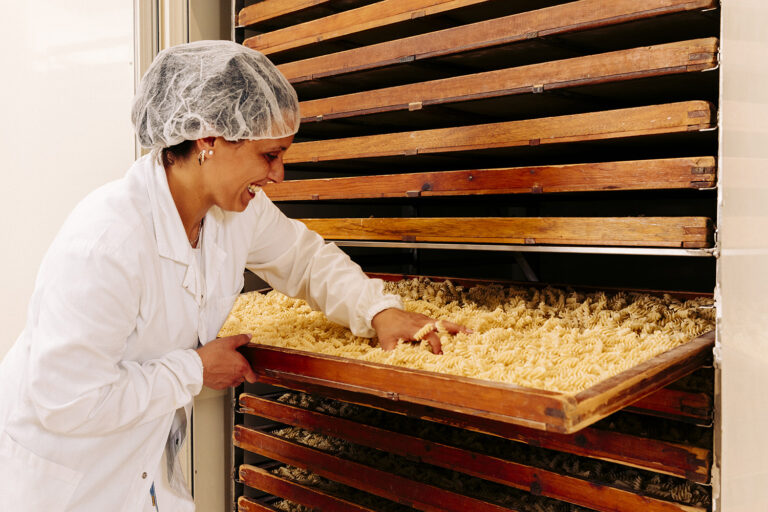
Traditional processing with slow drying at low temperature and bronze drawing

Organic pasta, short and certified supply chain

Born organic by vocation.
Healthiness, organoleptic qualities, nutritional content, health and hygiene safety.

Mycotoxin-free
Detected

Lab tested, safer for you.
OROBIO paste does not contain mycotoxins in quantities detectable by specific laboratory analyses (< 20 ppb).